Lifting the Burden: How Resistance Training Can Affect Anxiety Symptoms
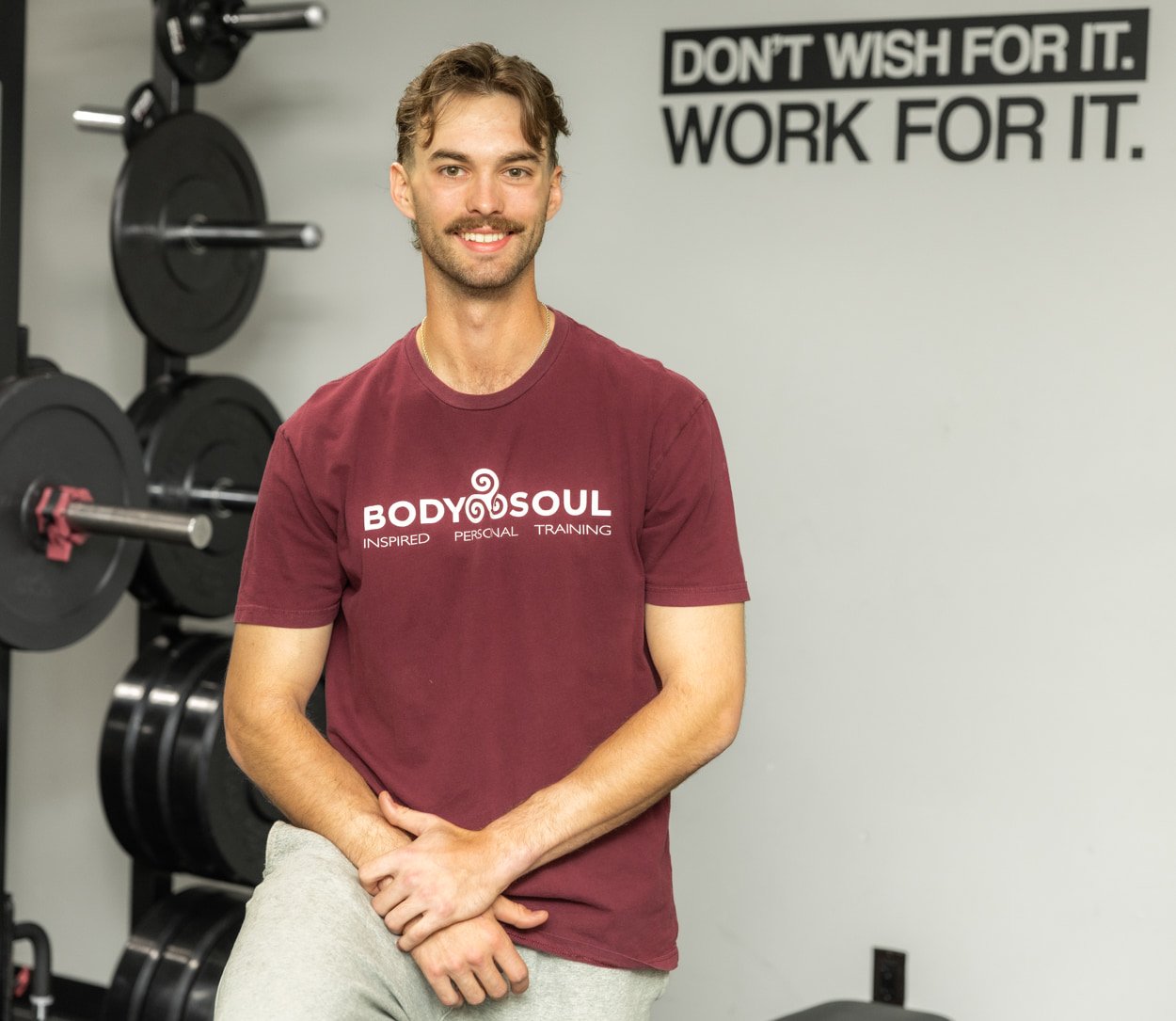
Strength training supports both body and mind. Blog contribution and featured photo: Dan Cascio.
Anxiety is not a feeling itself, but a combination of different feelings that come together to create the feeling of anxiety. "People with anxiety may have persistent, intense feelings of anxiety, fear, worry, or panic... these feelings can interfere with daily activities such as job performance, school work, and relationships" (CDC, 2024). American psychologist Charles D. Spielberger distinguished two forms: state anxiety, temporary feelings of anxiety in response to a situation, and trait anxiety, a general tendency to experience anxiety over a prolonged period of time. Functional impairment from anxiety symptoms is any interference with daily living directly caused by feelings of anxiety. Anxiety levels have been steadily rising in recent years, especially in the young adult population. Studies have shown physical activity can decrease symptoms of anxiety for individuals. Consistent resistance training (2 times per week) is an important factor mentioned in the American College of Sports Medicine (ACSM) guidelines, as well as in the Healthy People 2030 (HP2030) objectives. The ACSM guidelines are the gold standard for exercise prescription and they now acknowledge both the physical and mental benefits of consistent strength training. HP2030 are measurable ten year health objectives managed by the U.S. Department of Health and Human Services (HHS). Many objectives found in HP2030 include strength training or mental health, making both variables relevant to national health.
This semester I have been fortunate enough to conduct a small study to observe the effect consistent resistance training has on anxiety symptoms. The study consisted of three participants, 2 female participants (29 and 19) and one male (37). All the participants in the study had been previously diagnosed with high anxiety. Each participant participated in the study for eight weeks of resistance training. Two surveys were administered throughout the study to track their mental state, specifically addressing State anxiety, Trait anxiety, and Functional Impairment from anxiety. The State Trait Anxiety Inventory (STAI) was administered every two weeks to provide state and trait anxiety scores throughout the study. The Overall Anxiety Severity and Impairment Scale (OASIS) was administered before or after each session to track the participants' everyday functional impairment from anxiety. Each participant followed an 8-week individualized resistance training program with 2-3 sessions a week. I am very excited to report that all participants reported significant improvements in both state and trait anxiety levels. Throughout the 8-weeks each participant saw improvements in their STAI scores every two weeks. OASIS scores fluctuated more than the STAI, but this is to be expected since some days are more stressful than others, and the OASIS was conducted more frequently. I am happy to report that all participant scores were below the clinical threshold (8/20) for high functional impairment after their first weeks of exercise.
The project helped me learn more about anxiety and the benefits exercise provides individuals with high anxiety. My study could set the groundwork for normalizing exercise as an alternative treatment for anxiety instead of traditional pharmaceutical intervention. Resistance training is a highly accessible and cost effective alternative that can help those struggling with their mental health who are unable to afford the other treatment options. I am excited to follow future studies that use exercise as an alternative treatment for mental illness.
I would like to thank the staff at BodySoul Inspired personal training for making the study possible, especially Lisa Cournoyer-Murphy and Vincent Tanner for their support and guidance during the process. I would also like to thank my professors at Rhode Island College for their support and guidance during my academic career, especially Dr. Kristen Pepin and Anthony Paiva for their support and input throughout the project, without them the project would not have been possible.