Bridging the Gap
Lessons from 13 Years of Mentoring and Teaching the Next Generation of Health Professionals
We often talk about the gap between theory and practice. For the last 13 years, I’ve had a front-row seat to how that gap gets bridged.
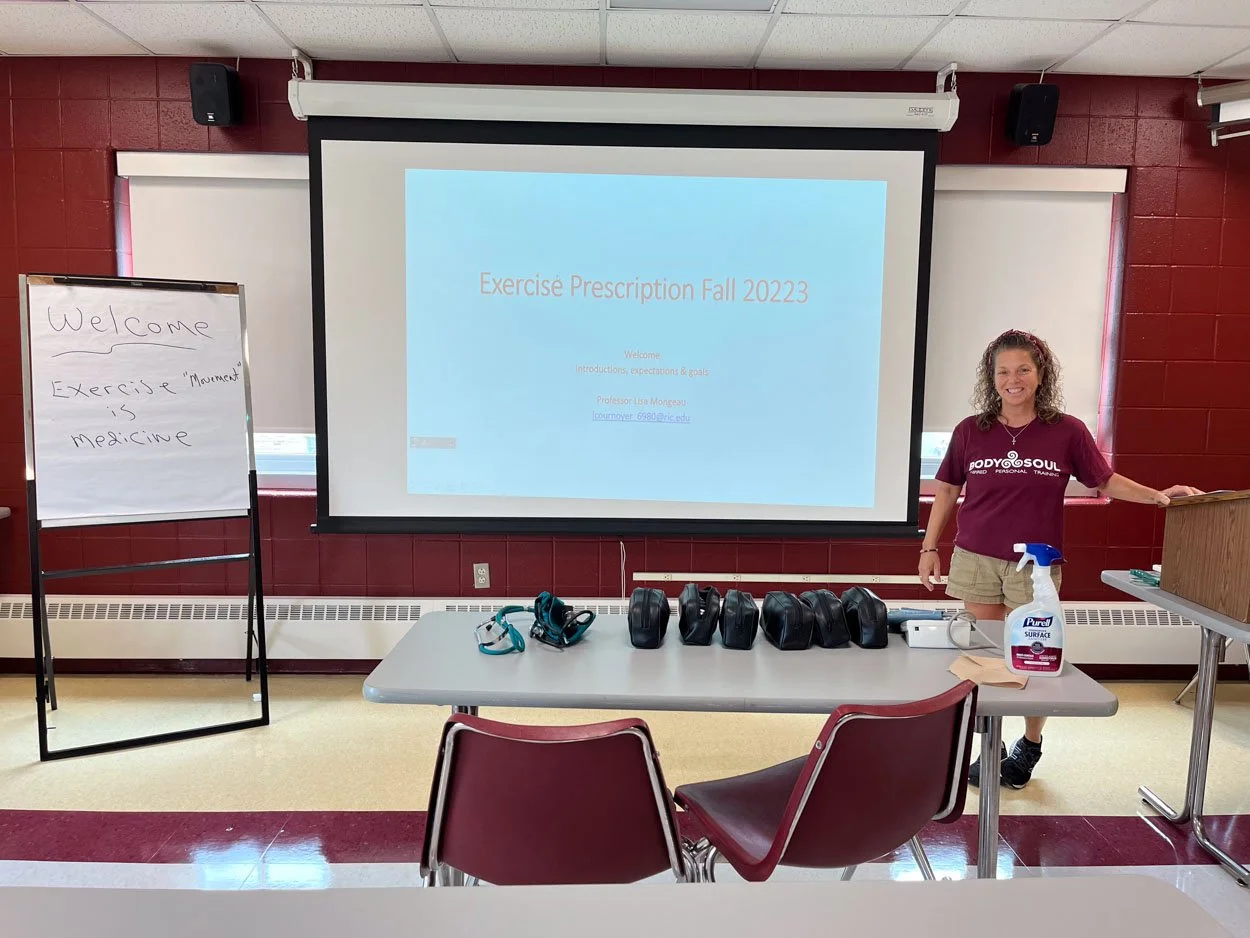
My journey with the Department of Health and Physical Education in the Feinstein School of Education and Human Development has been incredibly rewarding. I spent the past 4 years directly in the college classroom as an adjunct professor, guiding students through textbooks, lesson plans, and foundational exercise prescription. But my deepest connection to these students spans well over a decade—serving as a site mentor, supervisor, and guide for RIC interns navigation their very first steps into the professional health and fitness world. Looking back at my time of teaching and mentoring, a few core lessons stand out about where the industry is heading and what it takes to help the next generation thrive.
1. The Classroom Ignites the Spark; the Internship Builds the Fire
In the classroom, students learn the why—how to design safe, individualize physical activity and fitness programs based on scientific principles and client health profiles which include FITT-VP Principle, testing and assessments along with exercise physiology.
But watching an intern transition from the classroom to a real-world health and fitness setting is where the magic happens. It’s the moment they realize that prescribing an exercise plan or designing a wellness program isn't just about data; it's about the human being sitting in front of them. The 4 years I spent lecturing taught me how to deliver knowledge, but the 13 years I spent supervising interns taught me how to cultivate empathy, adaptability, and clinical intuition.
2. Mentorship is a Two-Way Street
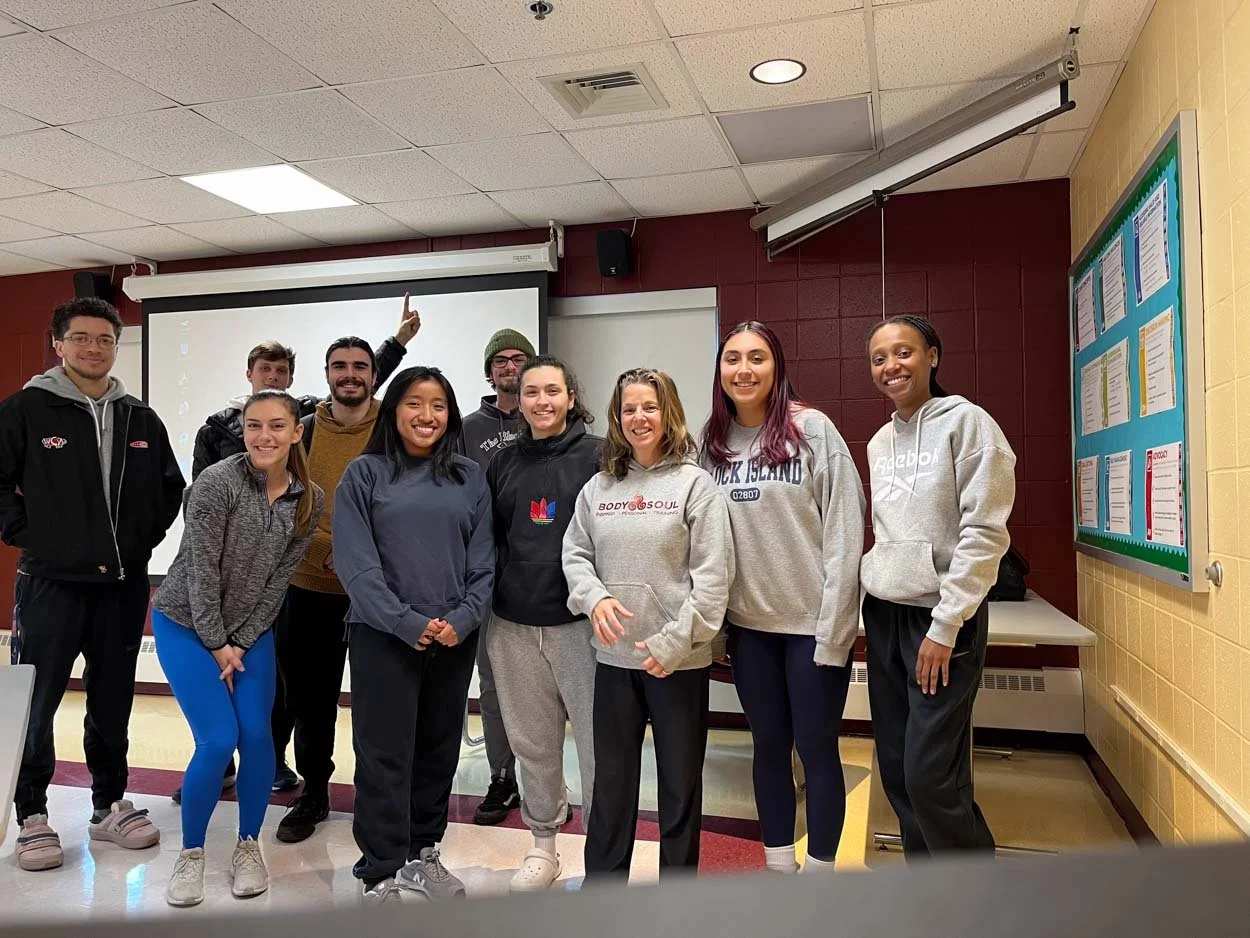
People often assume that being a mentor or a professor means you hold all the answers. In reality, working with Rhode Island College students for over a decade has kept me sharp, relevant, and continuously learning.
Fresh Perspectives: Interns bring the latest research, digital tool fluencies, and cultural insights straight from campus to the field.
Energy and Innovation: Their passion is contagious. Every time an intern asks, "Why do we do it this way?" it forces me to evaluate my own methods and innovate.
3. Emphasizing the "Soft Skills" That Textbooks Miss
If my time as an adjunct taught me anything, it's that you can give a student an 'A' on a written exam, but their ultimate success in the health and fitness industry hinges on emotional intelligence. Over 13 years of evaluations, the interns who truly stand out aren't always the ones who memorized the most definitions. They are the ones who excel at:
Active Listening: Hearing what a client or patient isn't saying.
Resilience: Pivoting smoothly when a class, training session, or program doesn't go as planned.
Clear Communication: Explaining complex health concepts in simple, accessible terms.
Looking Ahead to the Next Chapter
Stepping into a classroom or welcoming a new cohort of interns always brings a wave of excitement. The health, wellness, and fitness landscape is constantly shifting, but the need for dedicated, compassionate professionals remains absolute.
To every student I’ve shared a classroom with, and to every RIC intern who has logged hours under my supervision: thank you for letting me be a part of your professional journey. The future of our industry is in incredibly capable hands.